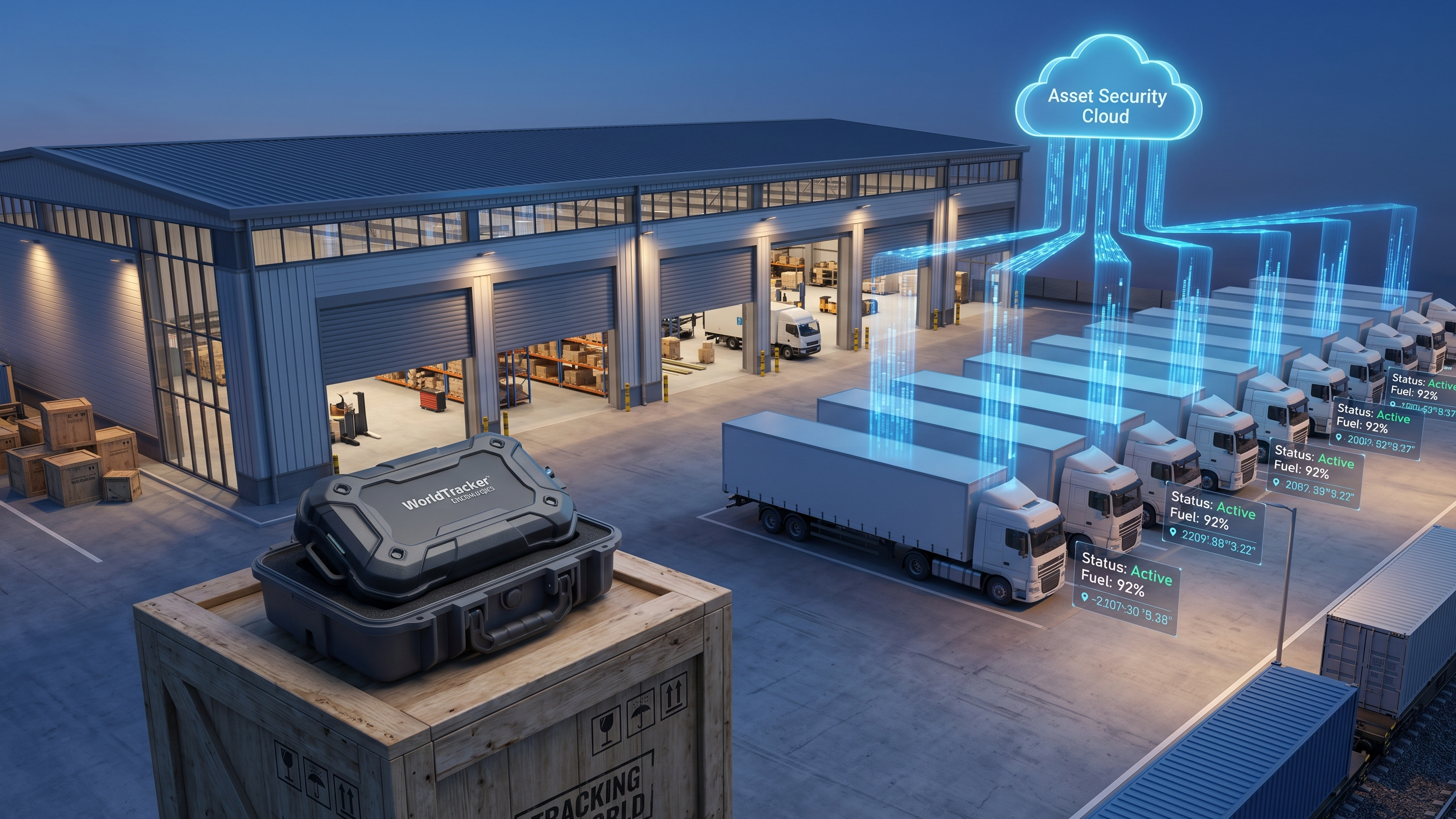
The global market for GPS hardware and telematics is projected to reach $4.52 billion in 2026 (Research Nester). And because of this market growth, there is now a massive opening for entrepreneurs. On the one hand, starting a tracking business from scratch requires immense capital for server infrastructure and software development. But using Tracking the World’s white label GPS tracking software allows you to bypass these hurdles.
You get a ready-to-use platform that carries your brand.
High-Velocity Market Entry for Resellers
White label GPS tracking software deployments utilize multi-tenant cloud architecture to provide branded portals for asset monitoring.
Features:
- Turn-key software deployments integrate with 500-plus hardware models through proprietary protocols.
- Resellers manage client accounts via centralized dashboards while maintaining custom domain mapping and unique CSS skins.
- High-frequency data polling and automated reporting allow you to manage your fleet in real-time.
| Category | Value | Results In: |
| Initial Setup Time | 30 to 60 Minutes | Rapid deployment of branded portals. |
| Asset Licensing Cost | $0.20 to $2.00 | Low monthly cost per active device (Industry Benchmark). |
| Market Growth Rate | 13.3% CAGR | Becoming part of a projected industry expansion through 2035 (Spherical Insights). |
| Hardware Support | 500+ Models | Compatibility with major manufacturers. |
Businesses today demand more than “dots on a map.” They need data regarding fuel consumption and driver safety.
Our Tracking the World white label GPS tracking software provides these analytics without the technical overhead. You focus on sales while we manage the backend stability and security.
Core Technical Specifications and Performance
If a reseller (like you) selects a private label server (like us), then your business gains total control over customer data and billing cycles. This white label setup is perfect for those who want to build a long-term brand. You are not just selling a service: you are building your own asset.
Reselling Aspects:
- Multi-tenant architecture for managing thousands of unique client accounts.
- Custom domain mapping and CSS skinning for consistent brand identity.
- API integration for connecting external ERP or proprietary billing systems.
- Automated reporting triggers for geofencing and speed alerts.
- Secure data storage with 99.9% uptime guarantees for mission-critical assets.
Reliability is the most important factor in this industry. Tracking the World provides the white label GPS tracking software that powers your vision. You set the margins. You own the relationship. Most resellers see a return on investment within the first quarter of operation.
Strategic Advantages of Private Labeling
Reselling white label GPS tracking software eliminates the need for a dedicated DevOps team. This is a significant cost-saver. Building a platform from zero often costs over $150,000 in initial development (SaaS Dev Industry Average). Not only this, but ongoing maintenance and security patches add thousands more every month. By using a proven system, you skip these expenses entirely.
Scaling is amazing, by the way.
When you add a new client, you simply create a new sub account. Cloud-server resources scale automatically. You do not have to worry about server crashes (from load) during peak usage times. If your deployment needs more instances, it simply gets more instances. If you don’t know what this means, contact us and we can explain.
The bottom line is that all this tech allows you to say yes to large fleet contracts without hesitation.
Navigating the Technical Landscape
The hardware side of the business is equally important. We offer a variety of devices that are preconfigured to work with our software. This means you do not have to spend hours troubleshooting connection strings or APN settings.
Everything works right out of the box.
If you choose to use third-party hardware, our software is flexible. We support a wide range of protocols. This flexibility is a major selling point for your clients. They might already have devices installed. You can migrate them to your new branded platform without requiring them to buy new hardware. That is a powerful value proposition.
Marketing Your Branded Solution
Selling to local businesses requires a personal touch. You are their local expert. You understand their specific needs in your city. Whether it is a small plumbing fleet or a large logistics company, you provide the solution.
Focus on the pain points.
For example, fuel theft is a major issue for many companies. Unauthorized vehicle use after hours is another. Your (branded) software solves these problems. Show them the reports. Show them how much money they will save.
When your client sees that the software pays for itself in fuel savings, the sale becomes easy.
Long-Term Business Stability
A tracking business provides recurring revenue. This is the gold standard for any business model. Once a device is installed, the client typically stays for years. The churn rate is very low if your service is reliable.
We provide the technical backbone that ensures that reliability. Our servers are housed in the same Tier III data centers that house Fortune 500 companies.
We use redundant power supplies and multiple internet uplinks. Your clients will experience a smooth interface every time they log in. This builds trust in your brand.
Customization and User Experience
Your clients will see your logo every time they track a vehicle. They will get emails from your domain. This level of professional branding is essential for attracting high-value accounts.
The user interface is intuitive. It does not require a manual to understand. Most users can learn the basic functions in under ten minutes. This reduces the number of support calls you receive. You can spend more time finding new business and less time explaining how to set a geofence.
Future-Proofing Your Enterprise
The world of IoT (“Internet of Things”) and GPS (“Global Positioning Systems”) is changing fast. For example, new sensors for temperature and humidity are becoming common. But our software stays ahead of these trends. In fact, we constantly update our reseller platform with new features.
You benefit from these updates automatically. This is because there is no extra charge for software improvements. Also, as we add new capabilities, you can offer them to your clients. This keeps your business competitive against larger national brands.
Common Reseller Questions
If a prospective reseller evaluates startup requirements, then identifying specific operational costs becomes necessary. Most platforms charge based on active connections rather than flat monthly fees.
How much can I charge my customers for tracking services? Standard market rates for basic tracking vary between $15.00 and $35.00 per month per unit (Industry Average). And advanced features like fuel monitoring or video telematics allow higher monthly premiums. Most resellers target a 50% to 70% profit margin after software licensing and cellular data costs are settled.
Do I need to manage the cellular data plans for the devices? Resellers typically choose between two primary models for data management. You can provide a turnkey solution including the SIM card and data plan, or you can allow the customer to provide their own data. Providing the data plan increases your recurring revenue and simplifies the setup for the end user.
Is technical support provided for my end users? Tracking the World provides high-level technical support to you as the reseller. Thus, you remain the primary point of contact for your clients. This structure maintains your brand authority. We provide the documentation and training materials you need to answer common questions and troubleshoot hardware issues.
Can I integrate the tracking data into other software applications? Our platform includes a robust API for data portability. And then if a client uses a specific dispatching software or an accounting platform, the GPS data can be pushed to those systems. This integration capability is often a requirement for enterprise-level contracts involving large fleets.
Partner with Tracking the World
Launch your own tracking brand today. We offer the tools to scale from ten devices to ten thousand. Our team has decades of experience in the GPS industry. We know what works and what does not.
We are here to help you succeed.
Visit our contact page or call 650-692-8100 to discuss your custom server setup and hardware bundles. Our experts will guide you through the process of selecting the right plan for your business goals. Take the first step toward building a profitable recurring revenue business in the growing telematics industry!
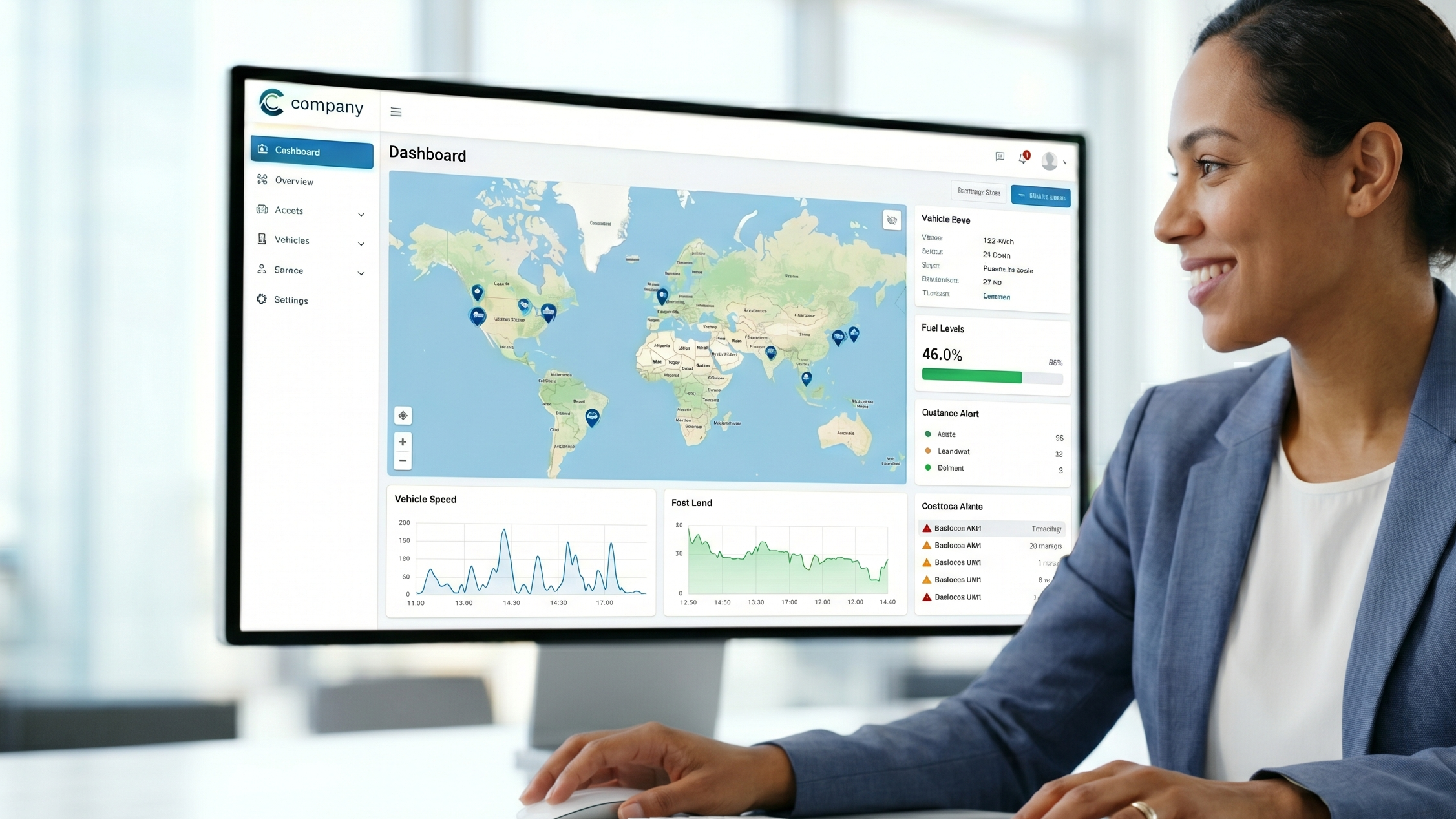
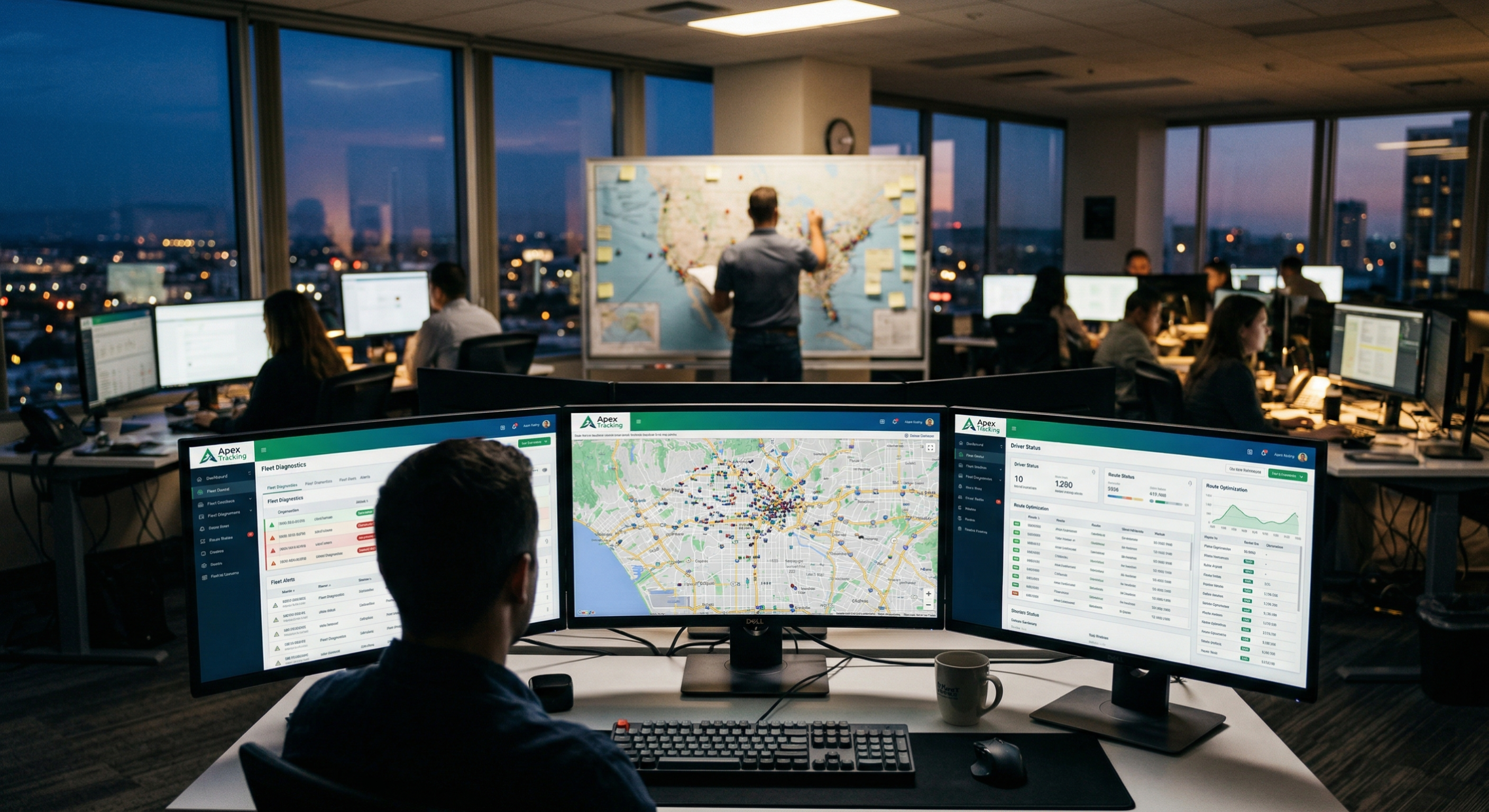 Your success in the GPS market requires more than just hardware. To build a sustainable recurring revenue model, businesses often turn to white label solutions. These white label solutions allow you to have complete ownership of the user experience. By utilizing a platform that supports independent branding, you can establish your own identity, while still relying on proven technical infrastructure. Choosing the right GPS tracking software for resellers ensures that your clients interact with your logo, your colors, and your specific domain name.
What is white label tracking software?
White label tracking software consists of a prebuilt platform that a provider licenses to another company. The second company then uses its own brand. The licensee replaces the original developer information with their own corporate logos, contact details, and custom logins. This approach eliminates the high costs associated with software development and server maintenance.
| Feature | White Label Value | Technical Note |
| Custom URL | 100% Brand Ownership | Resellers use their own subdomains |
| Mobile Apps | iOS and Android | Apps appear under the reseller account |
| Server Hosting | Cloud Infrastructure | Provider manages 24/7 uptime |
| Device Support | 500 plus Protocols | Compatible with most hardware |
How to choose GPS tracking software for resellers
If you select a platform without a diverse hardware library, then your market reach remains limited to specific device manufacturers. Robust platforms must offer a GPS tracking software for resellers package that includes a dedicated administrative console for managing multiple client accounts. High-quality software allows granular control over user permissions, automated billing alerts, and custom report generation.
Reliability and server uptime
Reliability is the core of any tracking service because if your server goes down for even ten minutes, your clients lose real-time visibility of their assets. You need a provider who guarantees 99.9% uptime and offers global redundancy. Check that the software utilizes load balancing to handle sudden spikes in data transmission from large fleets.
Scalability and technical support
You cannot grow a business if you are stuck fixing technical bugs every day. Resellers should prioritize partners that provide 24/7 technical assistance and regular feature updates. As your user base grows from ten devices to ten thousand, the software must scale without performance lag.
The key problem: costs and margins
Starting a tracking business involves specific financial tradeoffs that determine long-term viability. And while some providers offer low entry fees, they often charge high monthly per-device royalties that eat into your profit margins. A sustainable model typically involves a one-time setup fee followed by a tiered monthly subscription based on active connections.
Visit this page for more information about reseller GPS software.
Setting up your private brand
The process of launching your own GPS tracking software offerings begins with domain mapping. You will point a CNAME record from your domain to the provider’s server so that clients see your address in their browser. Once the URL is live, you can upload your CSS files or use a theme editor to match the software interface to your existing website.
Your software should have a mobile application with your branding. If it does not have this, then your service will feel incomplete to modern users. Ensure the provider can submit custom versions of the app to the Apple App Store and Google Play Store under your developer account. This builds immediate trust and authority with corporate clients who require mobile fleet oversight.
Optimizing the user experience
When you have a clean interface, this reduces the number of support tickets you receive. Therefore, you should focus on software that offers a logical dashboard with quick access to common tasks like geo-fencing, historical playback, and engine immobilization. When a platform is intuitive, your clients can onboard their own employees without requiring extensive training sessions from you.
Customizing alerts and reports
Clients have different needs depending on their industry. For example, a construction firm might need engine hour reports for maintenance, while a delivery company needs speeding and idling alerts. Therefore, your GPS tracking software for resellers should allow users to create their own automated email or SMS notifications based on specific triggers.
Integration with third-party tools
Clients often need to pull tracking data into their own systems. You should thus look for a platform that provides an API for data extraction. This allows you to offer custom integration services. These services can become an additional high-margin revenue stream for your business.
Common pitfalls for new resellers
Do not compete solely on price. If you are the cheapest option, then you will attract the most demanding clients.
However, these clients often have the lowest loyalty. Instead, stand out by offering superior local support or specialized features for specific markets. You can target niche areas like teen drivers or heavy equipment tracking.
Another mistake occurs when you neglect the legal side of data privacy. Stay legal and ensure your software provider follows regional regulations. They must offer secure, encrypted data storage. Your terms of service must clearly outline how you handle location data. This protects you and it protects your your customers.
Frequently Asked Questions
Do I need my own servers? No, most white label providers host the software on their own cloud infrastructure. You can then access the system via your branded URL.
Can I use any GPS hardware? If the software supports universal protocols, then you can use devices from multiple manufacturers simultaneously.
How long does setup take? Standard branding typically takes two to four weeks. And custom mobile app development can take six to eight weeks.
Is there a minimum number of units? Many professional platforms require a minimum of 25 to 50 active units to maintain a reseller account.
Partner with the tracking experts
To build a successful tracking business, your company needs a partner. That partner must understand the complexities of both hardware and software. If you work with us, then we provide the tools you need to launch a professional, private branded service. This service can scale with your ambitions. Our team offers the technical depth and industry experience required to help you avoid common startup errors.
Start your own tracking business today.
Contact the team at Tracking the World to discuss our reseller programs and private branding options.
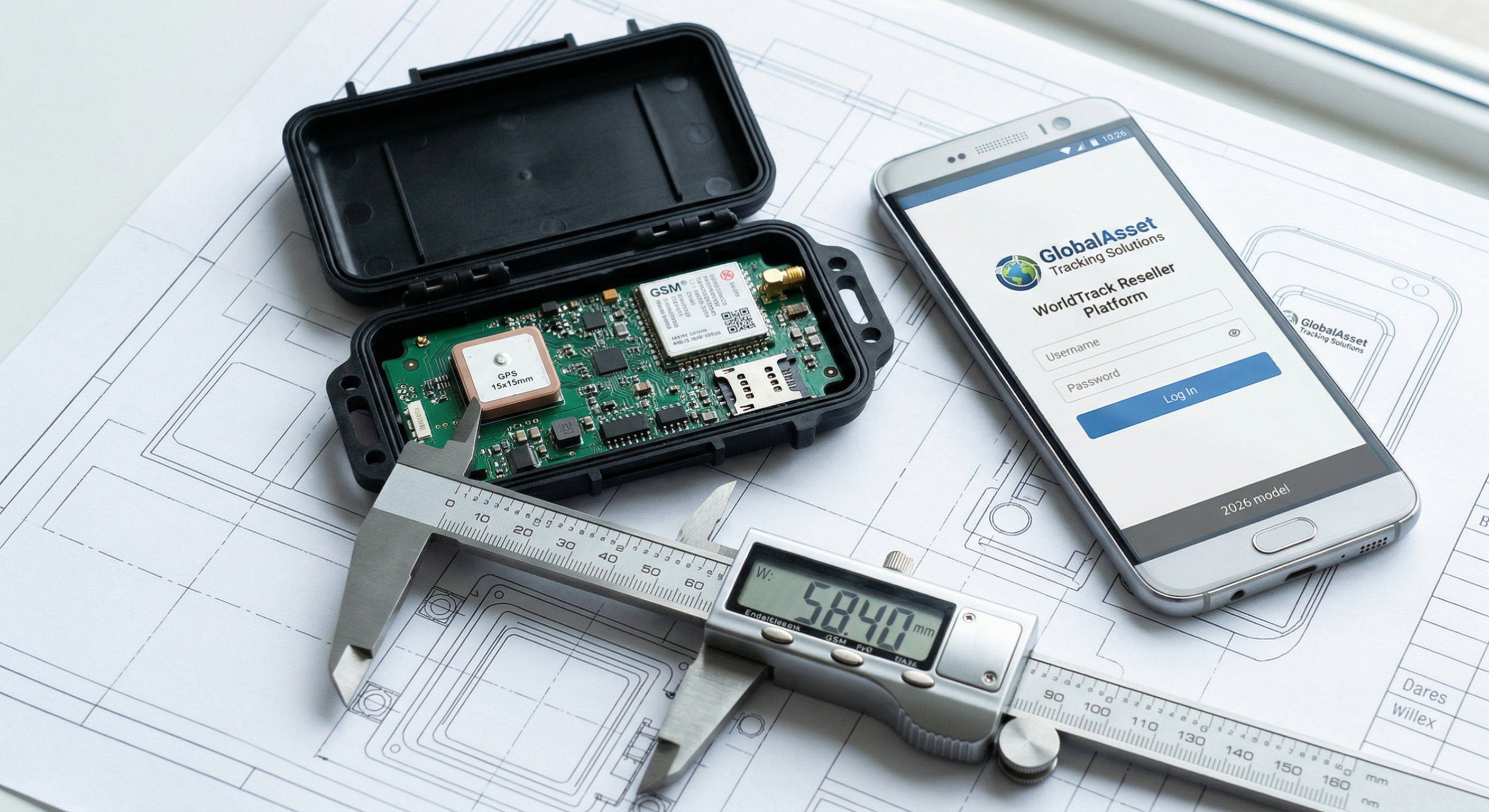
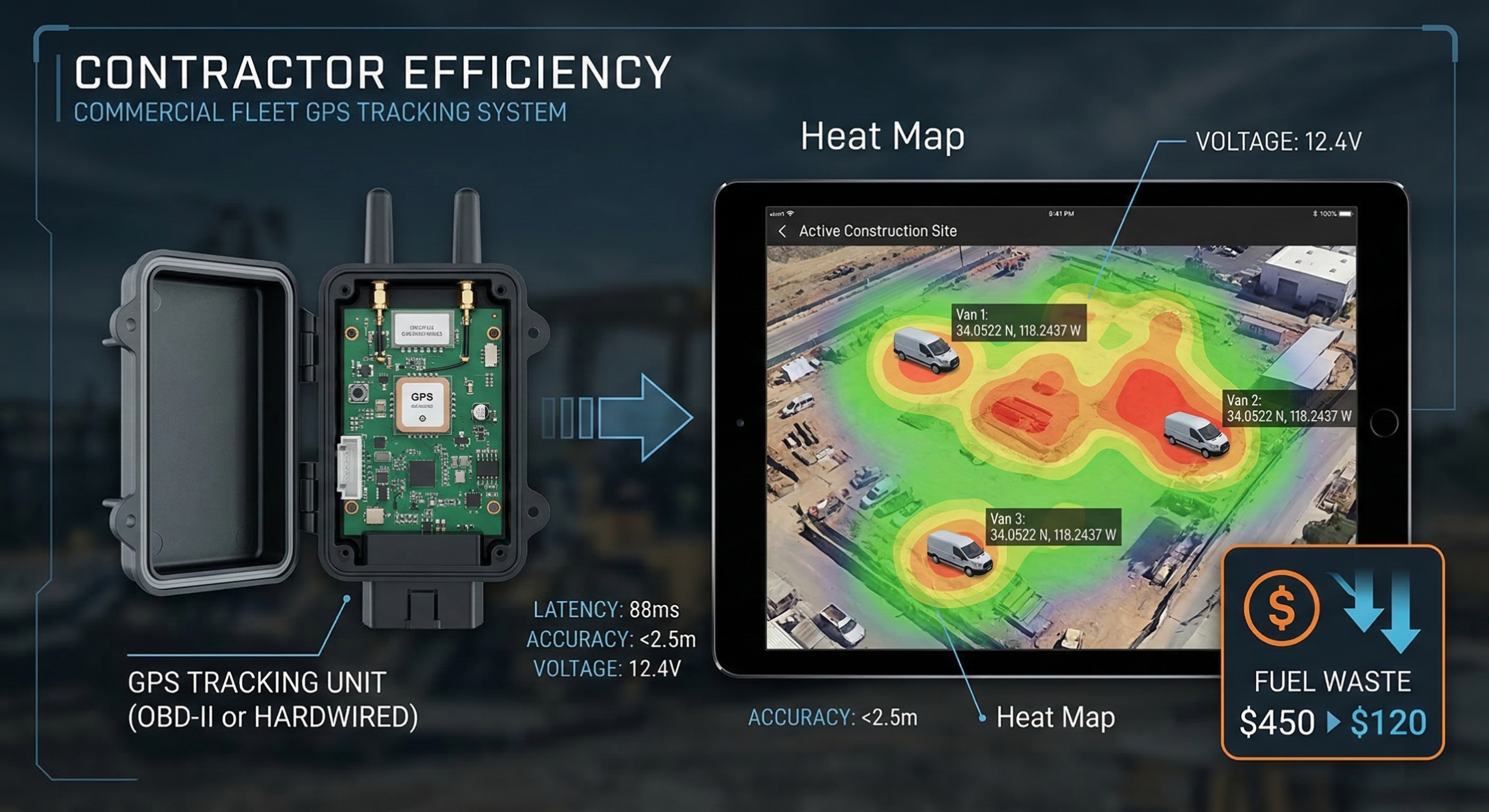
Reliable asset management requires a high-performance commercial fleet GPS tracking system to monitor vehicle locations and engine diagnostics. Modern hardware utilizes 4G LTE cellular connectivity and high-sensitivity GPS modules with accuracy to within 2.5 meters. Technical specifications for contractor-grade units include:
- IP67 waterproof ratings
- internal 3-axis accelerometers, and
- 12V to 24V power compatibility (even 9V to 36V, depending on model).
Implementation of these tracking systems typically results in a 15% reduction in fuel waste and a 20% improvement in routing efficiency for electrical, plumbing, and construction fleets.
Essential Hardware for a Commercial Fleet GPS Tracking System
Contractors face unique environmental challenges that require ruggedized tracking hardware. A standard commercial fleet GPS tracking system must provide real-time data, even in areas with poor cellular reception. These devices connect directly to the vehicle’s power supply but include backup batteries to ensure continuous reporting if a cable is cut. For heavy equipment, trackers must withstand extreme vibrations and temperatures ranging from -30C to +75C (-36F to +167F).
| Category | Typical Technical Specification | Contractor Benefit |
| Connectivity | 4G LTE / 5G Ready | Continuous coverage on remote job sites |
| Durability | IP67 Rated Enclosure | Protection against dust, mud, and rain |
| Power | 9V to 36V Input | Compatible with vans, trucks, and loaders |
| Data Lag | < 100 Milliseconds | Instant alerts for unauthorized movement |
We know that for a contractor (or fleet owner, for that matter), time is the most expensive resource. Our team at Tracking the World designs hardware that stands up to the rigors of the construction site. By installing a commercial fleet GPS tracking system, you gain total visibility over your mobile assets. We focus on providing the ground truth about where your trucks are and how they are being used. It is about protecting your bottom line from unnecessary wear and tear. We see these tools as an essential part of a modern service business.
Maximizing Job Site Efficiency and Tool Security
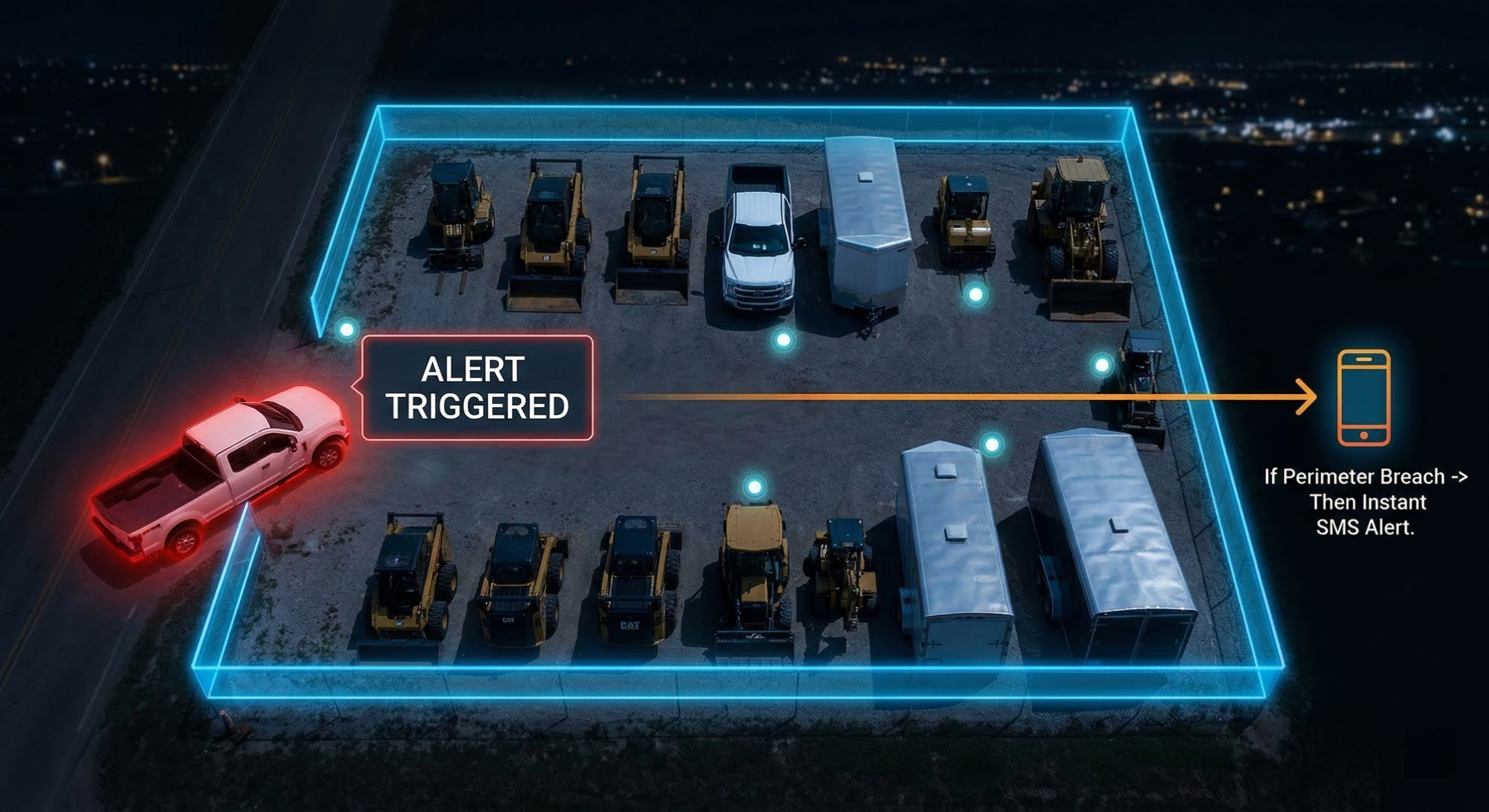
Equipment theft at construction sites costs the industry over 400 million dollars annually. A commercial fleet GPS tracking system acts as a digital silent alarm for high-value assets. If a trailer or skid steer moves outside of a designated geofence after 6:00 PM, then the system sends an immediate SMS alert. This enables rapid recovery before the equipment is stripped or moved across state lines.
- Geofencing allows you to set virtual boundaries around specific job sites
- Movement alerts notify managers of unauthorized weekend vehicle use
- Remote starter disable features can prevent theft in progress
- Battery backup ensures the device keeps pinging even if the main power is lost
- Ignition sensing identifies exactly when a machine starts and stops working
Efficiency is the difference between a profitable project and a loss. We provide the data that shows you exactly how much time is spent at each location. When you use a commercial fleet GPS tracking system, you can verify arrival and departure times for your crews. This eliminates disputes over labor hours and helps you bill clients with 100% accuracy. We believe in providing tools that make your business more transparent. It helps you manage more people with less stress.
Reducing Fuel Costs and Vehicle Maintenance
Fuel remains a massive overhead for any contractor with a fleet of service vans. Excessive idling is a silent profit killer that many owners overlook. If a vehicle idles for more than 10 minutes, then the system logs it as a coaching opportunity. Reducing idle time by just 20% can save thousands of dollars per vehicle each year. A commercial fleet GPS tracking system also monitors engine health through OBD II port integration.
| Metric | Savings Potential | Maintenance Impact |
| Idle Time | 10 to 15 Percent | Reduces engine carbon buildup |
| Speeding | 5 to 7 Percent | Decreases tire and brake wear |
| Route Optimization | 12 to 20 Percent | Lowers overall mileage per job |
| Maintenance Alerts | Preventive | Avoids costly roadside breakdowns |
Tracking the World focuses on the technical tradeoffs that matter to business owners. We do not just show you a map: we show you a path to higher margins. Using our commercial fleet GPS tracking system means you can schedule maintenance based on actual engine hours rather than just dates. This ensures your vans stay on the road instead of in the shop. We understand the pressure of meeting tight deadlines. Our technology is built to keep your fleet moving forward without interruptions.
Improving Driver Safety and Liability Protection
Accidents are a significant risk for contractors, especially when heavy trailers are involved. Monitoring driver behavior is a proactive way to lower insurance premiums and protect your brand. High G-force events like harsh braking or rapid cornering are captured by the internal sensors. If a driver consistently exhibits risky behavior, then you have the data needed to intervene before an accident occurs.
- Automated driver scorecards based on safety metrics
- Speeding reports that compare vehicle speed to posted limits
- Accident reconstruction data for insurance claims defense
- Seatbelt usage monitoring for safety compliance
- Live maps for dispatchers to find the closest technician for emergencies
Liability is a constant concern in the contracting world. We help you mitigate that risk with verifiable data. Having a record of exactly where your vehicles were at any given time can disprove false claims from third parties. Our hardware provides the evidence you need to back up your drivers. It creates a culture of accountability. When your team knows the vehicles are monitored, they drive with more care. This protects your vehicles and the public.
Scalable Solutions for Growing Fleets
Whether you have two trucks or two hundred, your tracking needs will change as you grow. We offer flexible hardware configurations that can be expanded at any time. If you add specialized equipment like generators or light towers, then we have battery-powered trackers designed for long-term deployment. These units can last up to five years on a single charge while providing daily location updates.
- Easy-to-use software interface for managing multiple vehicle types
- Customizable reporting for different departments
- API integration for connecting with your existing CRM software
- Multi-user access with different permission levels
- Historical data storage for long-term trend analysis
At Tracking the World, we pride ourselves on being a technical partner for our clients. We do not just sell boxes: we provide solutions that solve real-world problems. Our systems are designed to be intuitive so you can spend less time looking at software and more time managing your crew. If you are ready to take control of your fleet, we are here to help. Reach out to our experts to discuss the best hardware for your specific trade. Call us at 650-692-8100 or visit our contact page for a personalized quote.
Why GPS tracking is key: if you manage a fleet involved in multi-stop deliveries, you know it is a high-stakes balancing act. When your driver has twenty drop-offs across a crowded metro area, every minute of idling or wrong turns compounds into a massive loss for your company.
You must realize that efficiency in logistics is not about driving faster.
It is about knowing exactly where every asset sits at any given moment. At Tracking the World, we see how precise data transforms a chaotic route into a streamlined operation. When you use GPS tracking for logistics companies, you get a level of oversight that manual logs simply cannot match.
The Technical Reality of Multi-Stop Complexity
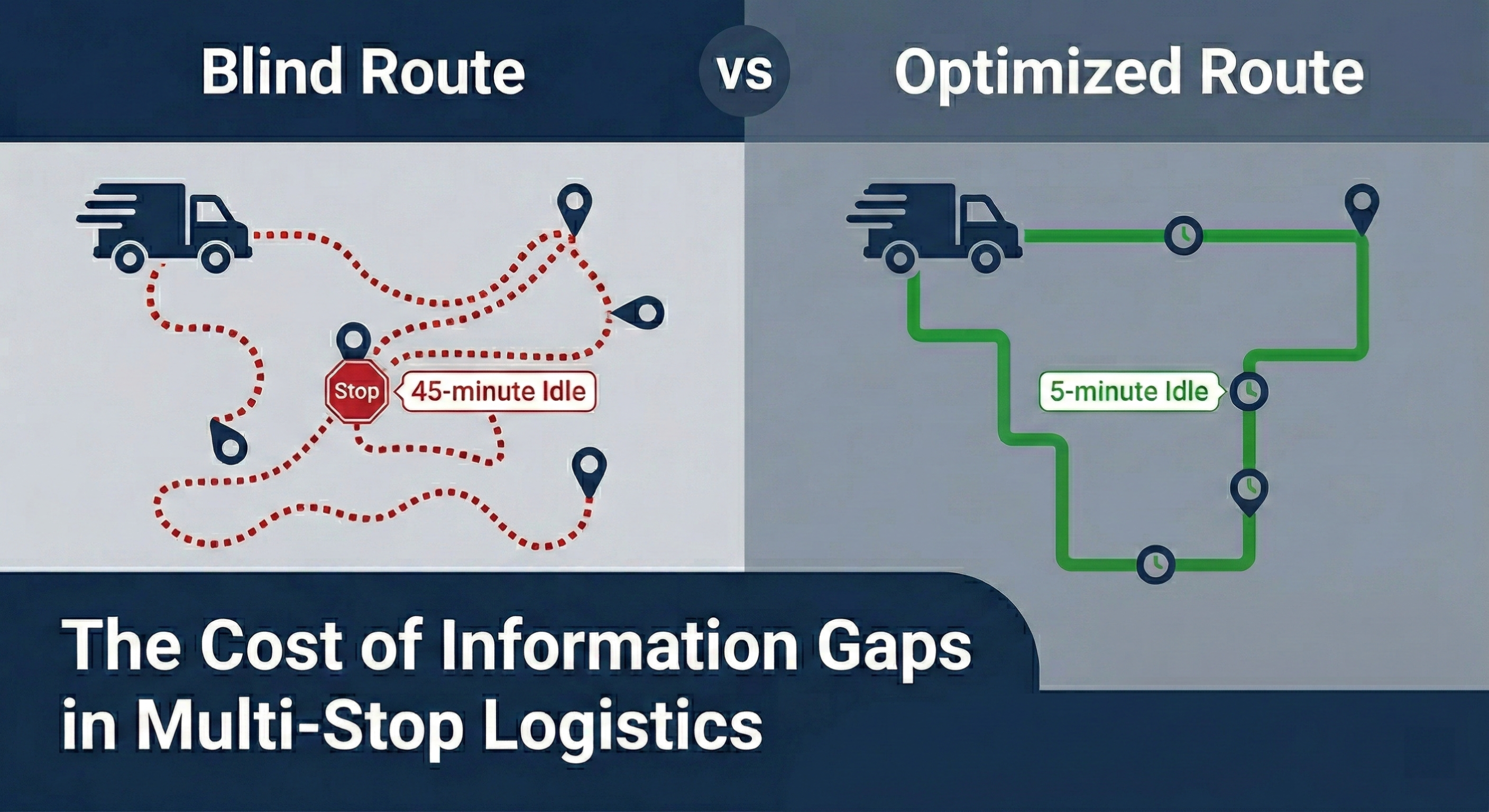
In a standard long-haul route, a tracker pings occasionally to confirm the truck is on the highway. Multi-stop operations are much different. These routes require high-frequency updates because the “action” happens in the transitions between stops. If your device only pings every ten minutes, you might miss three different deliveries in a dense urban zone. This creates a data gap that makes it impossible to verify proof of presence or arrival times.
| Operational Metric | Technical Requirement | Value for Logistics |
| Ping Frequency | 10 to 30 Seconds | Essential for urban stop accuracy. |
| Battery Capacity | 5,000mAh to 12,000mAh | Supports high frequency draws without daily charging. |
| Geofencing | Polygonal Borders | Triggers alerts the instant a vehicle enters a loading dock. |
| Accelerometer | 3 Axis Sensing | Detects harsh braking or idling during long offloads. |
The key problem in this sector usually stems from fuel waste and missed windows. When a vehicle idles at a warehouse for forty minutes because the dispatcher did not know the dock was full, that is pure profit burning away. High-quality GPS tracking for logistics companies provides the visibility needed to reroute drivers before they get stuck in a bottleneck.
Why Hardware Choice Dictates Field Success
Reliability in logistics depends on the physical robustness of the tracker. Many providers offer cheap plastic units that fail the moment they face engine heat or heavy vibration. Our Enduro series is built for these exact rigors. It stays attached and keeps transmitting even when the environment is hostile.
For many firms, the best approach is a hardwired solution like the WT-OBD 4G. It pulls power directly from the vehicle (via the OBD II port).
This removes the human error factor of forgetting to charge a portable unit. If a driver leaves the yard with a dead tracker, your multi-stop visibility is gone. Hardwired units ensure the data stream never breaks. This is why GPS tracking for logistics companies has shifted toward permanent installations for core fleet assets.
Signs Your Current Route Management is Failing
- Delivery windows are consistently missed by more than fifteen minutes.
- Drivers report being “at the stop” while the software shows them two blocks away.
- Fuel costs are rising despite no increase in total mileage.
- Customers call frequently, asking for the location of their packages.
Optimizing the Last Mile with Real-Time Data
The “last mile” is often the most expensive part of the journey. It is where traffic, parking issues, and complex delivery instructions slow everything down. A logistics manager needs to see the “breadcrumb trail” in high-definition. If a driver takes a non-optimal path between stop four and stop five, you need to see it immediately.
Here is why this matters: small deviations add up. Five extra minutes per stop over twenty stops is nearly two hours of wasted labor per day. Across a fleet of ten trucks, you are losing twenty hours of productivity every single day. Professional GPS tracking for logistics companies pays for itself by reclaiming these lost hours. It allows dispatchers to coach drivers based on actual performance data rather than guesses.
More About Device Selection
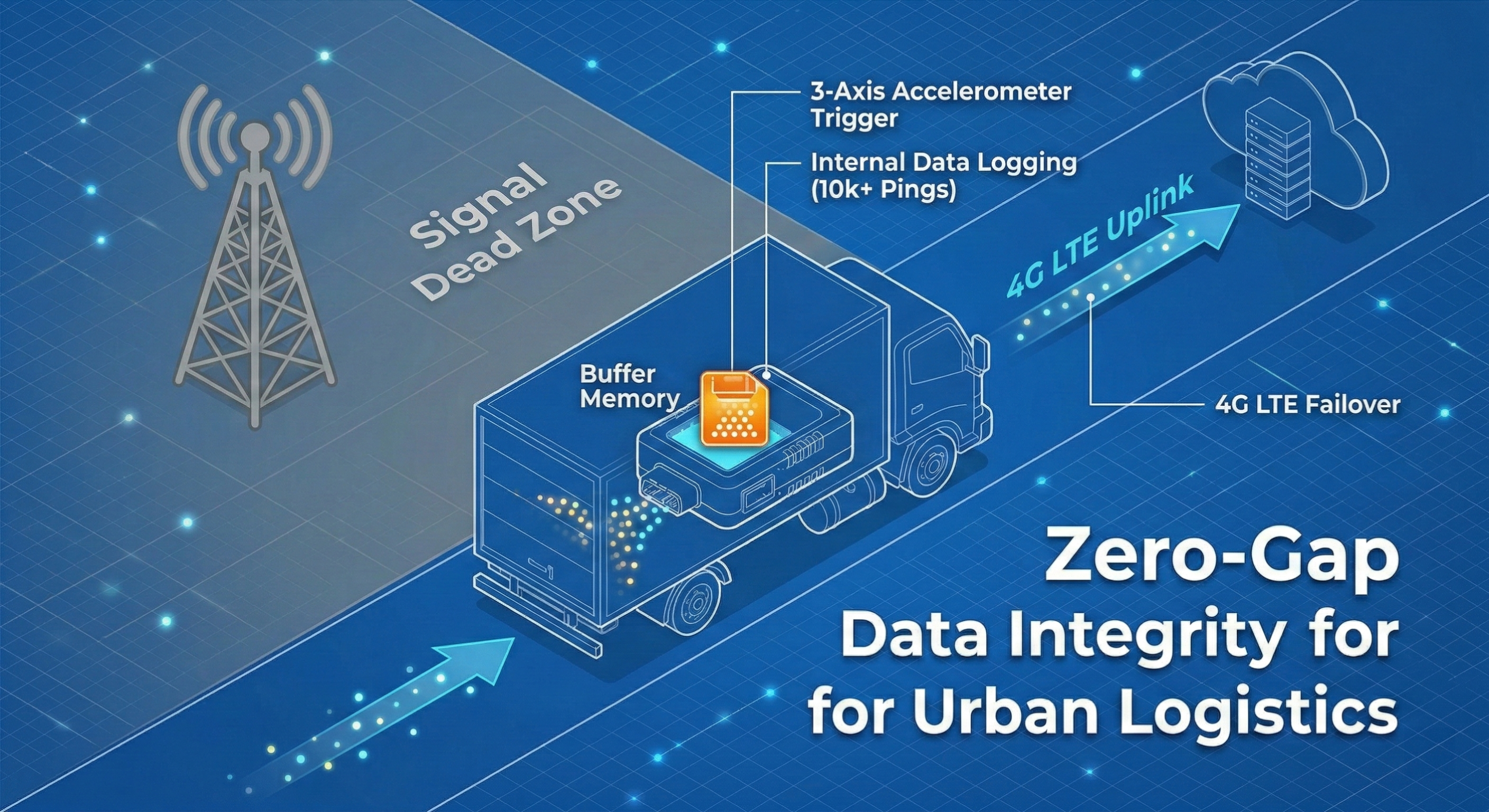
If your fleet operates in areas with poor cellular coverage, you need devices with internal memory. These units store the GPS coordinates when the signal drops and “dump” the data once they reconnect. This ensures your multi-stop history is complete. If you use a “live only” device without storage, those gaps in the map will haunt your reporting.
We also prioritize 4G LTE connectivity. As 2G and 3G networks continue to sunset, older hardware is becoming obsolete. Investing in 4G or 5G capable trackers is a prerequisite for any business looking to stay operational through the next decade. It is a technical tradeoff where higher upfront costs prevent a total system failure later.
Security and Asset Recovery
Multi-stop operations often involve high-value cargo sitting in a van that is frequently left unattended. While the driver is inside a building making a delivery, the vehicle is a target. Motion alerts and geofencing are the first line of defense. If the van moves without the engine being started, or if it leaves a designated route, the system triggers an immediate SOS.
This is the reality of the business. You are not just tracking a truck: you are protecting the inventory that keeps your clients happy. A lost van is a catastrophic event for a small logistics firm. Real-time tracking turns a potential theft into a quick recovery.
Frequently Asked Questions About Logistics Tracking
How does high-frequency pinging affect the data plan?
Frequent updates require more data transmission. Most GPS tracking uses optimized cellular protocols to keep these costs low. A device pinging every thirty seconds uses more data than one pinging hourly, but the overhead is negligible compared to the fuel savings. We offer tiered data plans that match your specific reporting needs so you never pay for more bandwidth than you actually use.
Can these trackers integrate with my existing dispatch software?
Yes. We design our hardware with open API capabilities. This means the location data can flow directly into the routing or management software you already use.
This eliminates the need to toggle between different screens during a busy shift. Consistency in data helps your dispatchers make faster calls when a route needs to change.
What happens if a vehicle enters a tunnel or a dense urban canyon?
GPS signals can struggle when the devices can’t “see” the sky. Our high-quality GPS tracking uses AGPS and LBS positioning to maintain a location lock. If you lose the signal entirely, the device stores the coordinates in its internal memory. Once the vehicle clears the obstruction, the tracker uploads the saved data to fill in the gaps on your map.
Are the portable units waterproof for external asset tracking?
We actually recommend specialized housings for extreme conditions. For trailers or containers that sit in the rain for weeks, we provide IP67 rated enclosures. These protect the delicate sensors and battery from moisture and dust. Choosing the right casing is just as important as choosing the right battery size for long-term field durability.
How We Support Your Fleet Goals
At Tracking the World, we do not just sell boxes. We provide the technical backbone for your entire mobile operation. Our software platform integrates with the hardware to give you a single pane of glass for your fleet. You can see the battery health, the signal strength, and the precise location of every asset on one screen.
We know the trade.
You need gear that works every time. This is regardless of the weather or the terrain. We ground our technical support team in the facts of the industry.
Stop letting your fleet operate in the dark. If you want to see exactly where your efficiency is leaking, it is time to upgrade your tech. We build our solutions for the heavy lifting of modern logistics. We help you turn data into a competitive advantage.
You can maximize your fleet’s potential and cut down on wasted miles today.
Do this by calling us at 650-692-8100 or reach out through our contact page to discuss the right hardware for your multi-stop needs. We are ready to help you get your operations back on track with precision.
GPS Tracking for Delivery Drivers: Proof of Delivery Made Easy
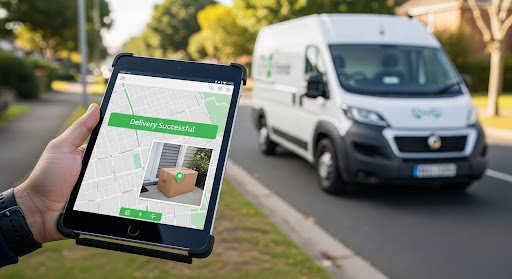
Managing a fleet of vehicles requires precision, especially when customers expect real-time updates and undeniable proof that their packages arrived safely. The modern logistics landscape is competitive. Businesses must find ways to increase efficiency while maintaining high levels of trust. Implementing GPS tracking for delivery drivers is one of the most effective ways to streamline these operations. In this article, you will learn how satellite technology simplifies the proof of delivery process, reduces disputes, and keeps your customers happy.
The Role of Real-Time Data in Modern Logistics
The days of paper logs and manual check-ins are fading fast. Today, digital solutions provide a comprehensive view of where every driver is at any given moment. This visibility is not just about oversight; it is about providing a seamless experience for the end user. When a customer calls to ask about a package, your support team can provide an exact location rather than a vague window of time.
Using GPS tracking for delivery drivers allows managers to see the entire route history. This data confirms that a driver followed the designated path and arrived at the correct destination. By automating the time stamps and location pings, the system creates a digital paper trail that is nearly impossible to dispute. This level of transparency builds a bridge of trust between the service provider and the client.
How GPS Simplifies Proof of Delivery
Proof of Delivery (POD) used to mean a physical signature on a clipboard. While signatures are still valuable, they are no longer the only way to confirm a drop-off. Modern tracking systems integrate several features that make the process foolproof.
- Geofencing Alerts: You can set up virtual boundaries around delivery zones. When the vehicle enters or leaves these areas, the system automatically logs the event.
- Photo Verification: Drivers can take a photo of the package at the doorstep. The tracking software then attaches this image to the specific GPS coordinates and time.
- Automated Notifications: As soon as the driver hits complete on their mobile app, the system sends an email or text to the customer. This immediate feedback loop reduces the number of inquiry calls.
When you utilize GPS tracking for delivery drivers, you are essentially creating an automated audit log. This log serves as a single source of truth for both your company and your clients. If a customer claims they never received an item, you can quickly pull up the record showing the exact coordinates where the driver stopped.
Reducing Disputes and Protecting Your Bottom Line
Missing packages and not-received claims can cost a business thousands of dollars every year. Sometimes these are honest mistakes, such as a package being left at a side door instead of the front. Other times, they are fraudulent. Digital proof provides the evidence needed to resolve these issues quickly.
Because the software records the precise location of the vehicle during the delivery window, it protects the driver from false accusations. It also protects the company from paying out unnecessary refunds. This financial security is a major reason why many growing fleets prioritize GPS tracking for delivery drivers as a foundational tool.
Improving Driver Accountability and Safety
While proof of delivery is the primary focus, the benefits of tracking extend to the drivers themselves. When drivers know their progress is monitored, they are more likely to stay on schedule and follow safety protocols. High-quality systems can monitor for harsh braking, speeding, or excessive idling.
This data helps managers identify which team members are performing well and which might need additional training. Furthermore, in the event of an accident or a vehicle breakdown, the office knows exactly where to send assistance. Safety and accountability go hand in hand with efficiency.
Enhancing the Customer Experience
In a world dominated by rapid shipping, the customer experience is defined by information. People want to feel in control of their purchases. Providing a tracking link that shows a vehicle moving toward their home creates a sense of excitement and security.
Once the delivery is finished, receiving a digital receipt with a photo of the package provides ultimate peace of mind. This professional touch differentiates your business from smaller competitors who still rely on manual processes. Happy customers are repeat customers, and reliable delivery is the fastest way to earn their loyalty.
Integrating Tracking into Your Current Workflow
You might worry that adding new technology will be complicated for your staff. However, most modern platforms are designed with user-friendly interfaces. Drivers typically use a smartphone app that guides them through their route. The GPS runs in the background, so they can focus on driving safely rather than fidgeting with hardware.
For the office staff, the transition is equally smooth. Most tracking software integrates directly with existing dispatch or inventory management systems. This means you do not have to double-entry data. The information flows naturally from the warehouse to the truck and finally to the customer’s inbox.
Choosing the Right System for Your Fleet
Not all tracking solutions are created equal. When selecting a provider, look for features that specifically support proof of delivery. Look for high-frequency location updates, mobile app compatibility, and robust reporting tools.
Consider the following checklist:
- Does it offer real-time location updates?
- Can drivers upload photos and digital signatures?
- Is the interface easy for drivers to use on the go?
- Does the system provide historical route data for disputes?
Investing in a high-quality system ensures that your GPS tracking for delivery drivers provides a high return on investment through saved time and reduced losses.
The Bottom Line
Streamlining your delivery process is essential for long-term growth. By adopting digital tools, you move away from guesswork and toward data-driven decisions. Proof of delivery becomes a simple, automated part of the day rather than a logistical hurdle.
The combination of geofencing, photo evidence, and real-time location data ensures accounting for every package. This protects your revenue, empowers your drivers, and provides your customers with the transparent service they deserve. If you want to eliminate the headaches of lost packages and disputed deliveries, implementing a robust tracking system is the best place to start.
Ready to Streamline Your Fleet?
Stop losing time to delivery disputes and manual logs. With professional GPS tracking for delivery drivers from Tracking the World, you get instant proof of delivery and total fleet visibility. Protect your bottom line and impress your customers today. Contact us to learn more.


Fotorech / Pixabay
In today’s competitive business environment, fleet efficiency matters more than ever. Companies face rising fuel costs and tighter margins. They also face growing customer expectations. Because of this, fleet managers must find smarter solutions. One solution stands out: GPS tracking for fleet management.
Above all, GPS tracking helps fleets reduce fuel use and idle time. At the same time, it improves visibility and strengthens control. Most importantly, it protects profitability. As a result, more fleets now rely on GPS tracking to stay competitive.
Why Fuel Use and Idle Time Matter
Fuel is one of the largest fleet expenses. Even small increases hurt budgets. Likewise, excessive idle time wastes fuel. It also increases engine wear. Over time, these costs add up quickly.
In many fleets, idle time goes unnoticed. Drivers may idle during stops. Vehicles may idle during loading. Unfortunately, these habits drain fuel silently. Therefore, identifying idle time is critical.
At the same time, inefficient routes increase fuel consumption. Unplanned detours. Traffic delays. Poor scheduling. All of these issues raise costs. Without visibility, managers cannot fix them. That is where GPS tracking becomes essential.
What GPS Tracking Does for Fleet Management
GPS tracking provides real-time data. It shows vehicle locations, records movement, tracks stops, and measures idle time accurately.
As a result, fleet managers no longer rely on assumptions. Instead, they rely on facts. They see where fuel is wasted and identify inefficient behavior. Then, they take action.
Moreover, GPS tracking systems collect data automatically. There is no manual input. There is no guesswork. Everything is recorded and stored. This creates a strong foundation for improvement.
Reducing Idle Time with GPS Tracking
First and foremost, GPS tracking exposes idle time. It shows exactly when engines run without movement. It also shows how long idling lasts.
Because of this, fleet managers can set idle alerts. When a vehicle idles too long, the system sends a notification. Immediately, managers can respond. Drivers can adjust behavior.
In addition, reports show idle patterns. Managers see which vehicles idle most. They see which locations cause delays. Over time, these insights lead to smarter decisions.
As a result, fleets reduce unnecessary idling. Fuel use drops and engine wear decreases. Maintenance costs fall.
Just as importantly, drivers become more aware. When behavior is visible, habits change. Accountability improves. Efficiency follows.
Cutting Fuel Use Through Smarter Routing
Beyond idle time, routing plays a major role in fuel consumption. Poor routes waste fuel. Traffic congestion burns gas. Longer distances increase costs.
GPS tracking solves this problem. It provides route data, highlights inefficient paths, and also reveals delays.
With this information, fleet managers optimize routes. They choose faster paths, avoid congestion, and reduce unnecessary miles.
Furthermore, real-time tracking allows quick adjustments. If traffic builds, routes change. If a road closes, drivers reroute. Therefore, fuel waste is minimized.
Over time, these improvements make a major difference. Even small fuel savings per vehicle add up across a fleet. Ultimately, profitability improves.
Improving Driver Behavior to Save Fuel
Driver behavior directly impacts fuel use. Speeding burns fuel. Harsh acceleration wastes gas. Excessive braking lowers efficiency.
GPS tracking monitors these behaviors. It records speed, tracks acceleration, and identifies risky habits.
Because of this, managers gain valuable insights. They see which drivers need coaching. They identify best practices. Then, they provide guidance.
In turn, drivers improve. They drive more smoothly, idle less, and follow optimized routes. As a result, fuel efficiency increases.
Additionally, safer driving reduces accidents. This lowers repair costs and protects vehicles. Therefore, GPS tracking delivers both safety and savings.
Using Data to Drive Long-Term Fuel Savings
Data is the key to lasting improvement. GPS tracking systems generate detailed reports. These reports show trends and highlight opportunities.
For example, managers can compare fuel use before and after changes. They can track idle time reduction. They can measure route improvements.
With this data, decisions become strategic. Instead of reacting, managers plan. They set goals. They monitor progress.
Moreover, data supports accountability. Performance becomes measurable. Improvements become visible. As a result, efficiency continues to grow.
Lower Maintenance Costs Through Reduced Idling
Idle time does more than waste fuel. It damages engines. It increases maintenance needs. Over time, it shortens vehicle life.
By reducing idle time, GPS tracking protects equipment. Engines run less and components last longer. Maintenance schedules stabilize.
In addition, fewer breakdowns occur. Vehicles spend more time on the road and downtime decreases.
Consequently, fleets save money beyond fuel. They reduce repair costs. They extend asset life. These savings strengthen long-term performance.
Environmental Benefits of Reduced Fuel Use
Fuel efficiency is not only a financial issue. It is also an environmental one. When fuel use decreases, emissions drop. At the same time, reduced idling lowers pollution.
Because of this, GPS tracking strongly supports sustainability goals. As a result, fleets operate cleaner. Over time, carbon footprints shrink. In addition, compliance becomes easier.
As regulations continue to tighten, this advantage matters even more. Consequently, environmentally responsible fleets gain credibility. Not only do they meet standards, but they also protect their reputation.
Therefore, GPS tracking delivers value beyond the balance sheet.
Easy Adoption for Any Fleet Size
Many fleet managers worry about complexity. They fear difficult installations and expect disruptions.
However, modern GPS tracking systems are simple. Devices install quickly. Software is cloud-based. Dashboards are intuitive.
As a result, adoption is smooth. Training is minimal and value appears fast.
Additionally, solutions scale easily. Small fleets grow. Mid-size fleets expand. The system adapts without issue.
Because of this flexibility, GPS tracking works for any fleet size.
Choosing the Right GPS Tracking Solution
Not all GPS tracking systems are equal. Therefore, choosing the right one matters.
First, look for idle tracking and fuel reports. These features are essential. Second, ensure real-time tracking is included. Third, choose customizable alerts.
Also, consider ease of use. Simple dashboards save time. Mobile access improves responsiveness.
Finally, evaluate customer support. Reliable service ensures long-term success.
With the right solution, fuel savings begin immediately.
The Financial Impact of Cutting Fuel and Idle Time
Fuel savings improve margins. Reduced idle time lowers expenses. Maintenance savings compound benefits.
Over time, GPS tracking pays for itself. In many cases, it delivers a fast return on investment.
Moreover, improved efficiency supports growth. Fleets handle more jobs and meet deadlines. They satisfy customers.
Ultimately, cutting fuel use strengthens the business.
Final Thoughts
In conclusion, GPS tracking for fleet management is a powerful tool. It reduces fuel use, cuts idle time, and improves efficiency.
Through real-time visibility, smarter routing, and better driver behavior, fleets gain control. Costs drop. Performance rises.
For fleets facing rising fuel expenses, GPS tracking offers a clear solution. It delivers measurable results. It supports long-term success.
Above all, GPS tracking is not just technology. It is a strategy that turns data into savings and transforms fleet management.
For any fleet focused on efficiency, the path forward is clear. GPS tracking makes the difference.


Photo by Chris Cordes on Unsplash https://unsplash.com/photos/man-in-gray-shirt-holding-black-tablet-computer-B296qZ-Yihw
In today’s fast-paced business world, companies must stay ahead. To do so, they must be efficient. They must also be smart. For small to mid-size fleets, this clearly means adopting modern technology. Above all else, GPS fleet tracking software stands out. It offers real-time insights. At the same time, it boosts productivity and drives profit. Most importantly, it levels the playing field. As a result, small and mid-size fleets can now compete with large operations. In turn, they gain powerful tools once only available to big players. Ultimately, GPS fleet tracking is no longer optional. These days, it is essential.
Why GPS Fleet Tracking Software Matters
First, GPS fleet tracking gives visibility. Specifically, it shows where every vehicle is. It also updates instantly. Because of this, managers no longer have to guess. Instead, they can know. In addition, they can track speed, routes, stops, and idle time. As a result, they consistently make better decisions, and this clarity drives efficiency.
Second, customers now expect faster service. In particular, they want accurate arrival times. They also want timely updates. With GPS tracking, companies can deliver on these expectations. Consequently, they can reduce delays. At the same time, they can increase satisfaction. Hence, customer loyalty grows over time.
Moreover, GPS fleet tracking cuts costs. In many cases, it reveals hidden inefficiencies. For example, it exposes unnecessary idling and highlights poor routing. It also shows unsafe driving. Once these issues are visible, they can be corrected quickly. Thus, fuel savings increase and maintenance costs drop.
Tailored for Small and Mid-Size Fleets
For years, large fleets have used fleet management tools. Now, however, software providers build versions specifically for smaller operations. These solutions are easy to use and affordable. They are also scalable. Best of all, they meet the unique needs of small and mid-size fleets.
For example, many small fleets do not have IT teams. GPS tracking systems now offer cloud-based platforms. These platforms require no servers or complex setup. Instead, managers access data through simple dashboards. Because of this, ease of use becomes vital. It saves time. It also reduces frustration.
In addition, pricing models now fit smaller budgets. Today, many vendors offer flexible subscription plans. As a result, companies pay only for what they use. There are no large upfront costs. Thus, small fleets gain access without financial strain.
Real-Time Tracking: The Heart of the System
Above all, real-time tracking remains the core benefit. Managers see live locations at any moment. They also watch movements as they happen. Because of this capability, response times improve. Routing becomes more efficient and enables rapid decisions.
For instance, if a vehicle encounters traffic, managers can quickly reroute others. Similarly, if there is a service delay, staff can update customers immediately. Therefore, communication improves across the board.
Moreover, real-time alerts keep managers informed at all times. Alerts notify about speeding and warn of unauthorized vehicle use. Additionally, alerts monitor vehicle health issues. Consequently, fleets remain safer and more compliant.
Boosting Productivity and Efficiency
GPS fleet tracking software does more than track locations. In fact, it transforms operations. First, it optimizes routes. Instead of guessing the best path, the software suggests the most efficient one. As a result, these suggestions save both time and fuel.
Second, it reduces idle time. Drivers become more aware of their behavior. This means they avoid wasting gas. Idle engines cost money. Tracking software makes this clear. Consequently, drivers improve their habits.
Third, scheduling becomes smarter. Managers can see which vehicles are free and they assign jobs faster. At the same time, they reduce downtime.
Importantly, small and mid-size fleets often wear many hats. Therefore, tools that streamline tasks truly matter. GPS tracking simplifies daily work. In doing so, it takes complexity off the table.
Enhancing Safety and Compliance
Safety is essential. Every fleet worries about accidents. Likewise, every company wants to protect its drivers. In this area, GPS tracking plays a strong role.
First, it monitors driver behavior. It shows speeding, harsh braking, and rapid acceleration. These signals clearly point to unsafe habits. Once visible, managers can coach drivers. As a result, performance improves. Over time, accidents decrease.
Second, GPS tracking helps with compliance. Many fleets must meet regulatory standards. They must keep logs. They must prove hours of service. Fortunately, software records data automatically. This reduces paperwork and reduces errors. Ultimately, it improves compliance.
Third, alerts help enforce rules. If a driver breaks a safety threshold, managers are notified immediately. They can then act quickly. As a result, this proactive approach lowers risk.
Reducing Costs and Driving Profit
Every small and mid-size fleet closely watches the bottom line. Expenses and profit matters. GPS fleet tracking drives savings in many areas.
Fuel is a major cost. By optimizing routes and reducing idle time, fuel use drops. While the savings may seem small at first, they add up fast. Over time, fuel cost reductions significantly improve profitability.
Maintenance is another major cost center. GPS tracking predicts issues early. Sensors can detect engine problems. Alerts signal needed maintenance. As a result, fleets avoid costly breakdowns. Scheduled maintenance also preserves vehicle life. In turn, this saves money.
Insurance costs also decrease. Many insurers reward safer fleets. Therefore, they lower premiums for fleets that use tracking software. In addition, GPS data supports claims. It shows facts clearly and disputes resolve faster.
Finally, improved customer service drives revenue. On-time deliveries improve repeat business. Satisfied customers refer others. As a result, growth follows.
Data-Driven Decisions
Data is power. GPS fleet tracking produces data. In fact, it produces a lot of it. But raw data alone is useless. Instead, the real value lies in insights. Thankfully, modern systems turn data into clear reports.
These reports show patterns. They also reveal trends. Managers learn which routes work best. They see which drivers excel. They identify where costs hide.
With this knowledge, decisions become smarter. Rather than reacting to problems, companies anticipate them. As a result, they plan better. They also forecast with confidence.
Furthermore, data supports strategic growth. Small fleets can scale confidently. Mid-size fleets can expand efficiently. All of this happens with informed decisions.
Easy Implementation and Support
Many fleet managers fear new technology. Often, they worry about disruptions. Yet, leading GPS tracking solutions remove these barriers.
First, installation is quick. Hardware arrives ready to use. Plug-and-play devices go in within minutes. There is no downtime. There are no headaches.
Second, training is simple. The software is intuitive. Most users learn quickly. In addition, vendors provide guides and videos. Support teams are also ready to help.
Third, updates happen automatically. Cloud-based systems receive improvements behind the scenes. As a result, users benefit without effort.
Together, these features make adoption painless. Small and mid-size fleets can implement fast. Consequently, they start gaining value right away.
Choosing the Right GPS Fleet Tracking Software
Not all solutions are the same. Careful selection matters. Small and mid-size fleets should evaluate several key factors.
First, consider cost. Choose a solution that fits the budget. Look at monthly fees and hidden costs. Above all, avoid surprises.
Second, review features. Look for real-time tracking, alerts, reporting, and mobile access. Make sure the system meets operational needs.
Third, think about scalability. The software should grow with the fleet. It should add users and vehicles with ease.
Fourth, evaluate support. Vendors that offer strong customer service make a real difference. Reliable support ensures smooth operation.
Lastly, reviews and reputation matter. Successful fleets share their experiences. Listen to them. Learn from them.
The Future of Fleet Management
GPS fleet tracking is not static. Instead, it continues evolving. Soon, integration with AI and machine learning will be common. Predictive analytics will suggest even better routes. Sensors will provide deeper vehicle health data. Driver coaching will also become more automated.
For small and mid-size fleets, this future is especially exciting. These advancements will deliver greater efficiency. They will lower costs. They will enhance safety. Most importantly, they will support growth.
The message is clear. GPS fleet tracking software is no longer a luxury. Rather, it is a strategic asset. It turns data into action, empowers managers, and strengthens fleets.
Final Thoughts
In conclusion, GPS fleet tracking software offers transformative value to small and mid-size fleets. It delivers visibility, efficiency, safety, and cost savings. At the same time, it simplifies operations. It enhances customer service. It also supports smart decision-making. Moreover, it empowers fleets to grow and compete.
For any fleet aiming to improve performance, investing in GPS tracking is a smart choice. It drives measurable results. It delivers real impact. Above all, it positions fleets for success in a competitive market.
Ultimately, adopting GPS fleet tracking software is not just a technological upgrade. It is a business advantage.


How Do GPS Tracking Devices for Cars Improve Security and Monitor Performance? Vehicle owners face many growing challenges today. Theft rates are rising quickly in many areas. Maintenance costs continue to climb as well. However, modern technology offers a robust solution to these common problems. You can protect your investment and optimize vehicle performance with the right tools. Use advanced hardware to gain the upper hand. These tools do much more than send simple location pings. They give a comprehensive overview of your car’s health and security.
GPS tracking devices for cars now have features like geofencing alerts. They also offer driver behavior analysis and detailed trip history logs. These features are invaluable for both personal use and professional fleet management. This guide will show you how these devices offer total peace of mind. Specifically, they achieve this through enhanced security and real-time data monitoring.
Strengthening Vehicle Security with Real-Time Alerts
The primary reason many people invest in a tracking system is to prevent theft. Traditional car alarms are often ignored by passersby in busy areas. In contrast, a digital tracking solution provides a direct line of communication to your smartphone. If someone attempts to move your vehicle without your permission, you receive an instant notification.
This immediate alert gives you the power to act quickly. Consequently, you can contact the authorities right away. This step dramatically increases the chances of a successful recovery. It turns a stressful situation into a manageable one. You are no longer a passive victim because you have live data in your hand.
Geofencing for Instant Protection
Geofencing is another highly effective security feature for modern owners. This technology enables you to establish a virtual boundary around a specific area. For instance, you might set this around your home, your workplace, or a storage facility. Should the vehicle move across this boundary, the system will trigger an alert immediately.
This is especially helpful for identifying unauthorized vehicle usage during late-night hours. This function provides a proactive level of security. It notifies you the exact moment a perimeter is breached. For example, you will receive an instant notification if a teenager drives the car after a set curfew. You will also know if a company hitches the car for towing while you are away. This immediate awareness allows you to respond quickly. Therefore, geofencing is an essential instrument for vehicle owners focused on security and monitoring.
Rapid Theft Recovery
In the unfortunate event that a car is stolen, time is the most critical factor. Many GPS tracking devices for cars offer high-precision location data. You can share this information directly with law enforcement officers. Instead of guessing where the vehicle might be, you can provide an exact GPS coordinate. This significantly increases the chances of a successful recovery by the police. It also reduces the risk of high-speed chases. This is because the police can track the car quietly from a distance.
Monitoring Performance for Longevity and Safety
Beyond security, these devices serve as a digital health monitor for your car. By connecting to the vehicle’s internal systems, a tracker can gather data. This helps you avoid costly repairs and stay safe on the road. You can see how your car is being treated even when you are not the one behind the wheel.
Tracking Driver Behavior
For parents of teen drivers or business owners with a small fleet, monitoring behavior is essential. You can track various metrics such as:
-
Excessive speeding over set limits
-
Harsh braking or rapid acceleration
-
Long periods of engine idling
By reviewing this data, you can encourage much safer driving habits. Better driving does not just prevent accidents. It also reduces wear and tear on the engine and brakes. Thus, you save a lot of money in the long run.
Maintenance and Diagnostic Alerts
Some specialized hardware plugs directly into the vehicle’s diagnostic port. People often call this the OBD2 port. This allows the device to read engine codes. It can alert you to potential mechanical issues before they turn into major breakdowns. Knowing that your vehicle needs service before a warning light even appears is a massive advantage. It allows you to schedule repairs on your own terms.
Cost Savings and Efficiency
Using GPS tracking devices for cars often leads to unexpected financial benefits. Many insurance companies offer discounts for vehicles with active tracking systems. They do this because the risk of permanent loss is much lower. This reduced risk translates directly into savings on your monthly or yearly premium.
Additionally, you can significantly reduce your monthly gas expenses by monitoring fuel consumption. You can also optimize your routes to avoid traffic or long detours. A GPS device offers real-time data which allows for smarter driving habits. Less wasted fuel further boosts your overall savings.
If you are a business owner, these devices allow smarter fleet tracking. You can see exactly where every asset is at any given moment. This ensures that your team remains productive. It also helps them follow the most efficient paths during their shifts.
Choosing the Right Hardware for Your Needs
Not all trackers are created equal. Depending on your goals, you might prefer a portable tracker. These can be moved easily between different vehicles. On the other hand, you might want a hardwired unit for permanent security. For example, some versatile options are famous for their long battery life and water resistance. This makes them ideal for various weather conditions and environments.
When you are selecting a device, consider the following points:
-
Battery Life: Do you need a device that lasts months on a single charge?
-
Update Frequency: Does the device report every few seconds or every few minutes?
-
Ease of Installation: Are you looking for a plug and play device or something more covert?
The Future of Vehicle Intelligence
As technology continues to evolve, GPS tracking devices for cars are becoming even more integrated. They now use fast cellular networks for better coverage. This means faster response times and more accurate data than ever before. Whether you are protecting a classic car or managing a delivery service, the transparency is invaluable.
These advanced systems offer real-time insights into vehicle location and diagnostics. This significantly enhances operational efficiency and driver accountability. They are essential tools for modern vehicle management. By investing in high-quality tracking software, you gain a comprehensive view of your vehicle’s status.
You no longer have to wonder about your car’s location or its mechanical health. Instead, you have the data you need to make informed decisions. This keeps your vehicle on the road for many years to come.
Secure Your Vehicle Today
Are you ready to enhance your car’s security and performance? Tracking the World provides professional-grade GPS tracking solutions. These are tailored to your specific needs. Whether you are concerned about personal safety or managing a large fleet, our devices deliver the reliability you deserve. We focus on providing real-time data that you can actually use.
Contact us today to explore our full range of innovative tracking technology. Our team can help you find the perfect match for your car or truck. Do not wait until a theft happens to think about security. Take a proactive step toward protecting your property and your peace of mind right now.
Contact Us Today to find the perfect tracking solution for your vehicle.


Managing a fleet of vehicles is a complex task for any company. You must handle high fuel costs, driver safety, and tight schedules all at once. Fortunately, modern technology offers a powerful way to streamline these operations. Using GPS tracking for businesses allows you to see exactly what is happening on the road in real time.
This transparency changes everything for a fleet manager. You no longer have to guess where your drivers are or how they’re handling your assets. Instead, you have solid data to make better decisions. This guide explores why implementing a tracking system is a true game-changer for your bottom line.
Enhancing Operational Efficiency and Productivity
The most immediate benefit of tracking is the boost in daily efficiency. When you can see every vehicle on a live map, you can dispatch the closest driver to a new job. This reduces travel time and allows your team to complete more tasks in a single shift.
Furthermore, GPS tracking for businesses helps you eliminate unauthorized stops. Drivers are more likely to stay on task when they know the system records their location. This accountability ensures that your company time is spent on company business. Consequently, your overall productivity rises without the need to hire more staff.
Reducing Fuel Costs and Idle Time
Fuel is often the largest expense for any fleet. However, tracking software gives you the tools to fight rising gas prices. By monitoring idle times, you can identify drivers who leave engines running unnecessarily. Excessive idling wastes a surprising amount of fuel over a month.
In addition, smart routing helps your drivers avoid heavy traffic and long detours. Better routes mean fewer miles driven and less wear on the vehicle. Because the software provides real-time traffic updates, your fleet can navigate around delays before they happen. These small daily savings add up to significant capital at the end of the year.
Improving Driver Safety and Habits
Safety is a top priority for any professional organization. A tracking system acts as a digital co-pilot that monitors driver behavior. You can receive instant alerts for several risky actions, such as:
-
High-speed driving over the limit
-
Sudden or harsh braking
-
Rapid acceleration from a stop
When you address these behaviors, you lower the risk of accidents. This protects your employees and reduces your liability. Moreover, safer driving habits lead to lower insurance premiums over time. Most providers appreciate the reduced risk that comes with GPS tracking for businesses.
Streamlining Maintenance and Vehicle Health
Unexpected breakdowns can ruin a busy workday. To prevent this, many businesses use tracking hardware to stay ahead of repairs. Some devices plug directly into the vehicle’s computer to read diagnostic codes. This allows the software to notify you when a “check engine” light is about to trigger.
By staying on top of preventative maintenance, you extend the life of your fleet. You can schedule oil changes and tire rotations based on actual mileage tracked by the system. This proactive approach ensures your vehicles stay on the road instead of sitting in a repair shop.
Boosting Customer Satisfaction
In today’s fast-paced world, customers expect transparency. If a client asks where their delivery is, you can give them an exact answer. Many fleet tracking systems even allow you to share a temporary “live link” with the customer. This shows them the vehicle’s progress in real time.
When you provide accurate arrival times, you build trust with your clients. This professional level of service sets you apart from competitors who still rely on “ballpark” estimates. Happy customers are more likely to return and recommend your services to others.
Asset Security and Theft Recovery
Theft is a constant threat to mobile businesses. However, GPS tracking for businesses provides a powerful safety net. If a vehicle or a piece of heavy equipment is moved without permission, you will know immediately. You can set up “geofences” around your parking lot or job sites. If an asset leaves that area after hours, the system sends an urgent alert to your phone.
In the event of a theft, you can provide live location data to the police. This makes recovery much faster and more likely. It also prevents the total loss of expensive equipment that is difficult to replace.
Data-Driven Decision Making
The true power of a GPS system lies in the reports it generates. You can look back at weeks or months of data to find trends. Perhaps certain routes are always slower on Tuesdays, or a specific vehicle is using more fuel than others.
These insights allow you to manage your business with facts rather than feelings. You can see exactly where your money is going and where you can cut waste. This data-driven approach is what allows small businesses to scale into large, successful fleets.
Choosing the Right System for Your Company
Every business has different needs when it comes to hardware. Some companies prefer simple plug-and-play devices for light-duty trucks. Others need rugged, weatherproof trackers for trailers or construction equipment. When you choose a provider, look for a platform that is easy to use and offers 24/7 support.
Consider the following when selecting your gear:
-
Update Rates: Do you need updates every ten seconds or every five minutes?
-
Mobile Access: Can you check the fleet from a smartphone app while on the go?
-
Scalability: Will the software grow with you as you add more vehicles?
The Future of Fleet Intelligence
Technology is moving faster than ever. Modern tracking systems are now integrating with AI to predict maintenance needs and even safer routes. By adopting these tools now, you prepare your business for the future. You gain a competitive edge that helps you stay profitable in a tough market.
The transparency provided by GPS tracking for businesses is no longer a luxury. It is a vital tool for any company that operates vehicles. It protects your assets, saves you money, and keeps your team safe. When you have the right data, you have the power to lead your industry.
Partner with Tracking the World
Are you ready to transform your business operations? Tracking the World offers a wide range of professional GPS solutions designed specifically for fleet management. We provide the hardware and the software you need to take full control of your mobile assets. Our systems are reliable, easy to install, and packed with the features that modern business owners demand.
Contact us today to learn how we can help you save money and improve safety. Let us show you why our tracking technology is the perfect fit for your growing fleet.


Mohamed_hassan / Pixabay
GPS tracking solutions now do much more than show locations. They act as core operational systems for modern businesses. These platforms connect vehicles, equipment, assets, and personnel to centralized software. Most solutions use telematics and fleet-management tools. They give real-time visibility, reduce inefficiencies, and support better decisions. Industries such as transportation, logistics, construction, field services, and the public sector rely on GPS tracking to operate at scale.
What GPS Tracking Means for Businesses
A GPS tracking solution combines hardware, connectivity, and cloud-based software. It continuously collects and analyzes location and sensor data from mobile assets. Modern systems do not simply display maps. They convert raw data into insights that guide dispatching, maintenance, safety, and compliance. When used strategically, GPS tracking helps control costs, improve service, and reduce risk.
Core Components of GPS Tracking Solutions
Modern GPS tracking platforms include three integrated layers. The first layer is hardware and sensors. These devices are installed in vehicles or attached to assets. Examples include OBD‑II devices, hardwired trackers, battery-powered asset trackers, and IoT sensors. They collect data such as location, speed, ignition status, mileage, fuel use, engine health, and environmental conditions.
The second layer is connectivity. Most systems use cellular networks such as 4G/LTE, LTE‑M or NB‑IoT. Satellite connectivity supports remote operations. Reliable data transfer ensures accurate and timely information.
The third layer is cloud-based software and analytics. This layer includes dashboards, live maps, alerts, reports, route optimization, and geofencing. APIs allow integration with ERP, CRM, dispatch, and maintenance systems. Together, these layers turn location data into actionable intelligence.
How GPS Tracking Improves Operations
GPS tracking improves operations by increasing visibility. Managers can see asset locations and availability in real time. This visibility supports faster dispatching, fewer unnecessary miles, and more accurate arrival times. Over time, organizations improve asset use and service consistency.
GPS tracking also helps reduce fuel and operating costs. By analyzing telematics data, organizations can identify inefficient driving behaviors such as excessive idling, speeding, and poor routing. As a result, managers can coach drivers and adjust routes. Even small improvements can generate significant savings across large fleets.
In addition, safety and liability management improve. For example, driver behavior data supports coaching and incident reviews. This approach helps reduce accidents, lower insurance costs, and strengthen accountability. At the same time, detailed records protect organizations against false claims.
Another key benefit is predictive maintenance. By combining GPS data with engine diagnostics and mileage, organizations can plan maintenance more effectively. Consequently, they reduce breakdowns, limit downtime, and extend asset life. Overall, this leads to higher availability and lower ownership costs.
Asset security and utilization also improve. Through geofencing and real-time alerts, organizations can prevent theft and recover assets faster. Meanwhile, utilization reports reveal underused assets. This insight allows organizations to reallocate resources, reduce fleet size, or delay new purchases.
Finally, GPS tracking simplifies compliance. Automated logs, inspections, and reports reduce paperwork and minimize errors. As a result, organizations remain audit-ready without disrupting daily operations.
Features That Deliver Business Value
High-value GPS tracking features align with operational goals. Real-time tracking and trip history support dispatch and analysis. Geofencing and alerts enable proactive management. Route optimization and ETA tools reduce mileage and improve customer experience.
Driver scoring and coaching tools support safety and fuel efficiency. Maintenance tools reduce unplanned downtime. Open APIs prevent data silos by enabling system integration. Scalability, flexible hardware and strong data security support long-term use.
Measuring Return on Investment
Organizations should define clear metrics before deployment. Baseline measurements help track improvement. Common KPIs include fuel cost per mile, response time, asset utilization, maintenance cost, downtime, accident rates, and administrative hours.
When tracked consistently, these metrics show how GPS tracking offsets its cost. Many organizations see positive returns within months. Savings often come from fuel reduction, fewer accidents, and less administrative effort.
Implementation Best Practices
Successful deployment requires clear goals. Objectives should link to measurable outcomes. Pilot programs allow teams to refine workflows before scaling.
System integration is essential. GPS data should connect to dispatch, maintenance and customer systems. Employee engagement also matters. Positioning GPS tracking as a safety and performance tool improves adoption. Over time, automation should replace manual processes.
Industries That Benefit Most
GPS tracking benefits many organizations with mobile assets. It delivers strong value in transportation and logistics, construction, equipment rental, field services, utilities, public fleets and food distribution. Industry-specific features increase control and speed adoption.
GPS Tracking as a Strategic Asset
GPS tracking is no longer just a location tool. When combined with analytics, integrations and change management, it becomes a strategic asset. Organizations gain lower costs, improved safety, better asset use, and higher service quality. For businesses seeking efficiency and accountability, GPS tracking is a proven and scalable investment.
Future Trends in GPS Tracking Technology
GPS tracking solutions continue to evolve as technology advances. Artificial intelligence and machine learning are increasingly embedded in telematics platforms. These tools analyze large volumes of historical and real-time data to identify patterns that humans may miss. As a result, organizations can receive smarter recommendations for routing, maintenance, and risk reduction.
Automation is another growing trend. Modern systems can trigger workflows automatically based on predefined rules. For example, maintenance tickets can open when mileage thresholds are reached. Alerts can notify managers when assets enter or leave job sites. Automated actions reduce manual effort and improve response times.
The expansion of Internet of Things (IoT) sensors is also shaping the future of GPS tracking. Beyond basic location data, these sensors now capture information such as temperature, humidity, vibration, and cargo status. As a result, these capabilities are especially valuable for industries like food distribution, pharmaceuticals, and construction. Overall, businesses gain deeper visibility into asset conditions, not just their movement.
Electric vehicle fleet management is becoming a critical focus area. As organizations adopt electric vehicles, GPS tracking platforms are adapting to monitor battery health, charging behavior, and energy consumption. These insights help fleets optimize charging schedules and avoid operational disruptions.
In addition, data security and privacy are also receiving increased attention. Enterprise-grade GPS solutions now include stronger encryption, role-based access controls, and compliance with global data protection standards. These measures ensure that sensitive operational data remains protected.
Looking ahead, GPS tracking will play an even larger role in strategic planning. Over time, long-term trend analysis will support capacity planning, network design, and sustainability initiatives. As a result, organizations that invest in modern GPS tracking solutions today will be better positioned to adapt, scale, and compete in increasingly complex operational environments.


